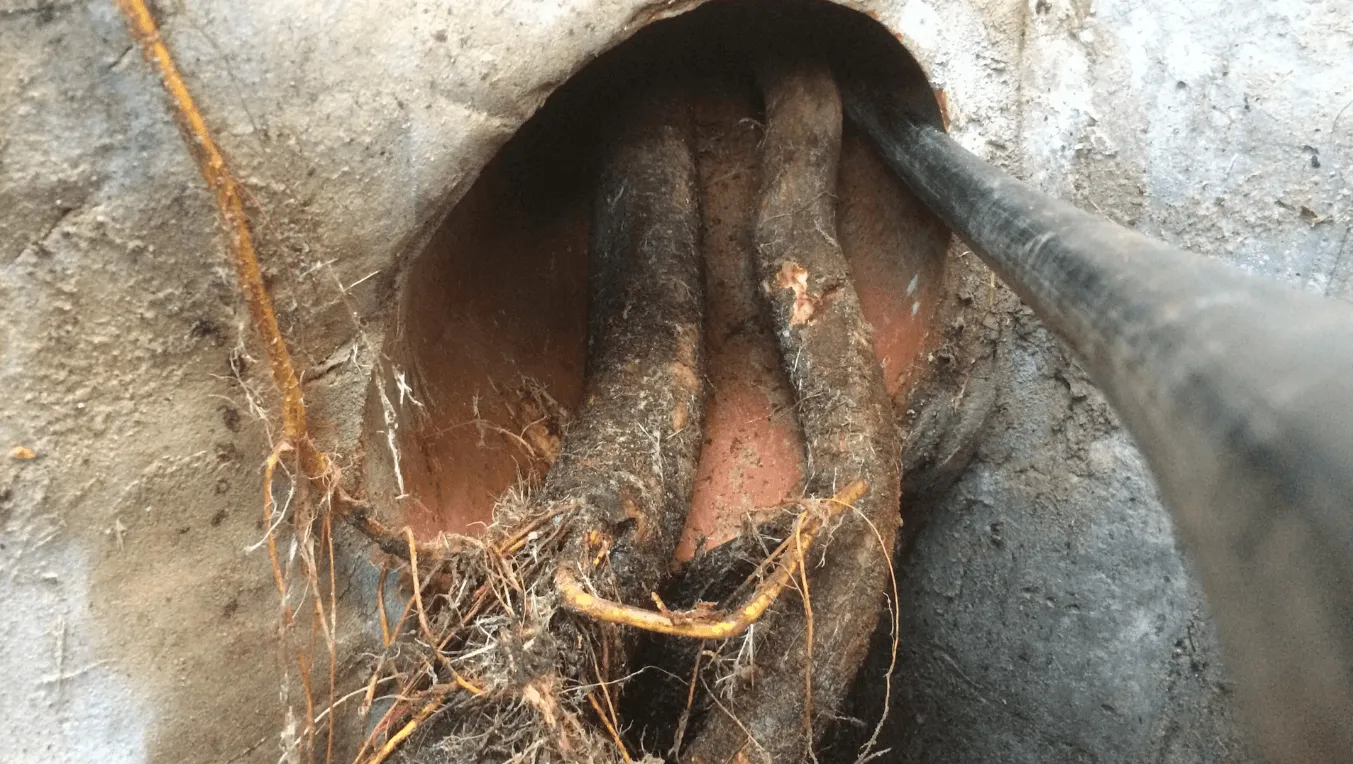
Roots in pipes are incredibly common. Remember, tree roots thrive in damp, nutrient-rich environments – your plumbing work is the ideal setting for little sprouts to grow. Tree roots find their way into pipes via hairline cracks. Once inside, they grow bigger and bigger, eventually taking up enough space to block your drain completely. What’s more, clearing roots from sewer lines is no easy task.
So, how can you avoid root intrusion in your sewer line? Let’s take a look at five ways to prevent tree roots in your pipes.
1. Carefully select the plants and trees in your garden
Root systems vary drastically from tree to tree. But, as a general rule, the bigger the tree, the larger the root system. Incredibly, most species have root systems that extend out at a distance 1.5 times the height of the tree.
To ensure you never have to deal with tree roots clogging sewer lines, be sure to plant the correct trees in the appropriate locations. Larger trees should be positioned away from any pipes. Small, slow-growing species, such as the flowering dogwood or Japanese maple, may be suitable.
2. Invest in root barrier systems
Installing root guards for trees can prevent tree roots from blocking drains. Physical barriers will keep roots away from your plumbing, protecting your pipes from the damaging effects of thirsty, growing roots.
The type of root barriers for trees you’ll need will depend on your budget and needs. Here are the two basic styles of root barriers:
- Solid barriers. These are corrosion-resistant tree root barriers built from either fibreglass or plastic. While solid barriers can be incredibly effective, they may inhibit proper water drainage. What’s more, if you select the wrong size of barrier, the tree roots may grow around it.
- Permeable barriers. Crafted from mesh, permeable tree root barriers allow water and smaller roots to pass through. Larger roots, however, are not able to pass through. Again, if you select the wrong size root barrier system, tree roots may grow around the screen and infiltrate your plumbing.
If you’re unsure as to which type of root barrier is best for your specific needs, don’t hesitate to get in touch.
3. Replace your pipes
If you’ve got roots in your drainpipe – especially if it’s on the older side – your best bet may be to ask a trusted plumber to lay new lines. Newer materials and innovative techniques are less likely to result in corrosion, leaks, or cracks.
4. Reline your pipes
If your sewer line is cracked but hasn’t completely collapsed you can ask a drainage specialist to reline your pipe work. Pipe relining creates a barrier to tree roots preventing them from penetrating your pipe work and forcing them to look elsewhere for water.
5. Buy tree root killer for drains
Trees that have large, extensive root systems won’t suffer any damage if some of their roots are removed. Using highly effective chemicals, your plumber can flush out your pipes. When the tree roots come into contact with the solution, they will die within a few hours. The residue chemicals will deter new roots from growing in the area.
Robotic cutting technology may also be able to remove tree roots without damaging the tree itself.
Get in touch to learn more
If you’re suffering from a drain blockage caused by tree roots, get in touch. We’d be more than happy to chat about your needs, organise a drain inspection and let you know the cost of removing tree roots from sewer lines. If you have any questions, please don’t hesitate to contact us or call us on 1300 366 834
How Tree Roots Invade Drains And Sewers
Tree roots are naturally drawn to moisture and nutrients, making underground drainage systems an ideal target. Even small cracks or loose joints in pipes release vapour that attracts roots. Once roots find an entry point, they expand inside the pipe, feeding on moisture and gradually restricting flow.
This process, known as root intrusion sewer damage, often starts unnoticed. Over time, roots form dense masses that trap debris, leading to slow drainage, repeated blockages, and eventual pipe failure. Drainage design and water flow patterns, as outlined in this guide to stormwater management, influence how water moves through systems and where roots are likely to enter.
Why Roots Love Older Clay And Earthenware Pipes
Older properties commonly rely on clay pipe systems, which are more vulnerable to root intrusion than modern materials. These pipes are made in sections joined together, creating multiple entry points over time as joints weaken.
Common Weak Points In Clay Pipes
- Mortar joints that deteriorate with age
- Cracks caused by ground movement
- Porous materials that retain moisture
- Misaligned pipe sections
These conditions make clay pipe roots a frequent issue in older suburbs. Broader infrastructure challenges across NSW, including ageing drainage systems, are highlighted in this report on stormwater system performance.
As roots grow, they place pressure on the pipe structure, eventually causing cracks, deformation, or collapse.
Short-Term Fixes Vs Permanent Solutions
When dealing with tree roots in drains, many property owners initially rely on short-term solutions such as cutting or clearing the roots. While this can restore flow temporarily, it does not address the underlying problem.
Short Term Fixes
- Mechanical root cutting
- High-pressure jetting
- Chemical treatments
These methods remove existing roots but leave the pipe vulnerable to regrowth.
Permanent Solutions
- Pipe relining to seal entry points
- Pipe replacement in severe cases
Long-term repair options provide structural protection, preventing roots from re-entering the pipe system.
Responsibility for maintaining drainage systems may vary depending on pipe location, as explained in this overview of stormwater drain responsibility.
How CCTV Confirms The Extent Of Root Damage
CCTV inspection is the most reliable way to assess the severity of root intrusion. A camera is inserted into the pipe to provide a clear view of internal conditions.
A professional drain inspection can identify:
- Root entry points
- Pipe cracks or joint failure
- Extent of blockage
- Structural integrity of the pipe
This information helps determine whether the issue requires simple clearing or structural repair.
Relining Options For Root-Damaged Pipes
Pipe relining is a widely used solution for repairing root-damaged pipes without excavation. This method creates a new internal pipe within the existing one, sealing cracks and preventing further root intrusion.
How Relining Works
- The pipe is cleaned and prepared
- A resin liner is inserted into the damaged section
- The liner cures to form a new internal pipe
This process is commonly referred to as no-dig pipe repair in Sydney and is suitable for many residential drainage systems.
Further details on trenchless repair options are available through no-dig pipe repair services.
Costs for relining projects vary depending on pipe length and condition, as outlined in the pipe relining cost guide.
Preventing Regrowth And Repeat Blockages
Once roots have entered a drainage system, preventing regrowth becomes a priority. Without structural repair, roots will continue to return.
Prevention Strategies
- Repair cracks and joints through relining
- Monitor tree placement near sewer lines
- Schedule periodic inspections
- Address slow drainage early
Ongoing maintenance and early detection are key to avoiding repeated tree roots in pipes issues. Homeowners managing these risks can access tailored support through services for Sydney homeowners.
For deeper sewer-specific issues, this guide on tree roots in sewer pipes provides further context.
FAQs
How do tree roots get into pipes?
Roots enter through small cracks, joints, or weak points in the pipe and expand inside over time.
Are tree roots in drains a serious problem?
Yes. Root intrusion can block flow, damage pipes, and lead to costly repairs if left untreated.
Can roots be removed without damaging the pipe?
Roots can be cleared, though removal alone does not prevent regrowth if the pipe remains damaged.
Is pipe relining effective for root intrusion?
Yes. Relining seals entry points and prevents roots from returning.
How do I know if roots are causing my blockage?
A CCTV inspection confirms whether roots are present and how severe the damage is.
Stop Root Damage Before It Gets Worse
If you are dealing with recurring blockages or suspect root intrusion, early inspection can prevent further damage. Request a professional assessment through the quote request page to receive clear findings and practical repair options tailored to your property.