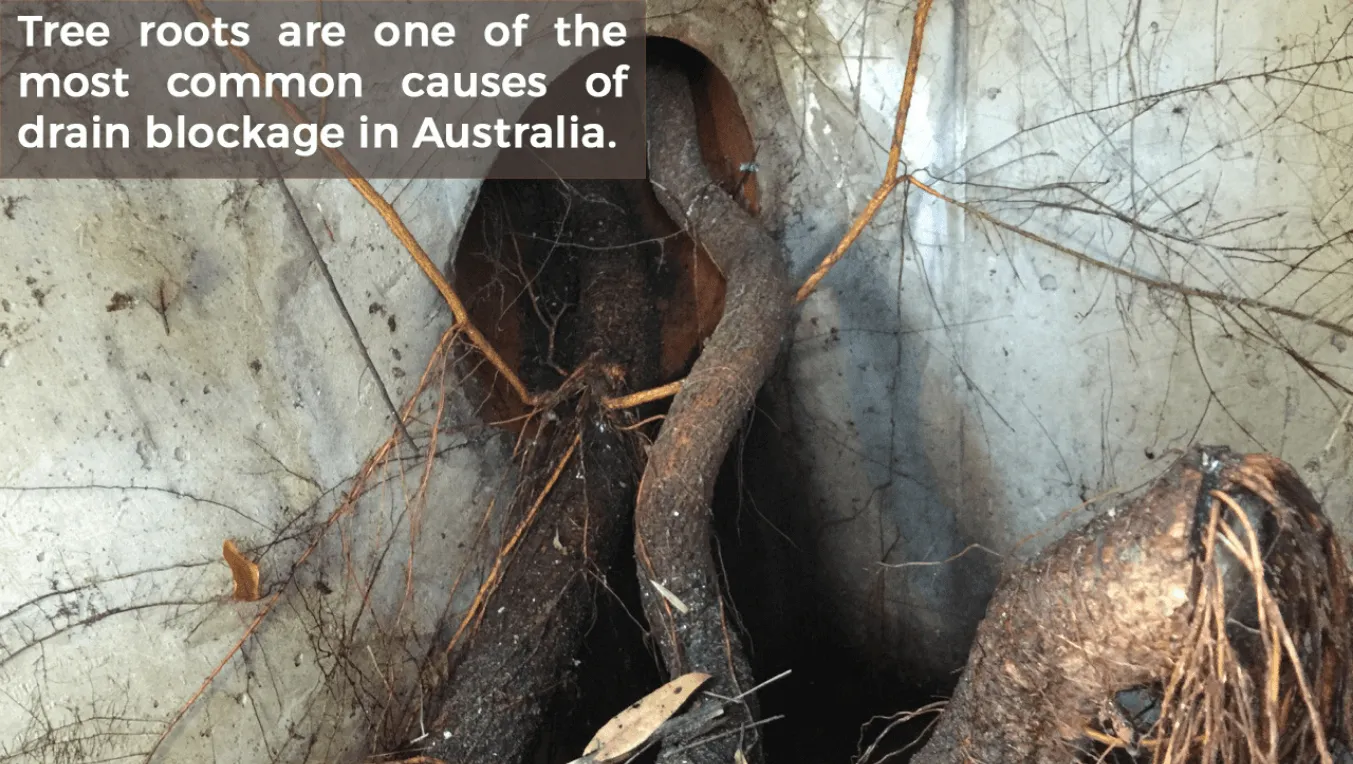
Sydney has expansive and beautiful tree cover, especially in the older areas where you will find large well-established trees. Apart from being beautiful they provide a number of social and ecological roles that the world just can’t do without. But as gorgeous and necessary as they are above ground, they cause havoc to our modern life below ground. Root systems can uplift pathways, driveways, pierce gas and water services and create their own home within our wastewater pipework.
Which suburbs have the worst tree root problems?
As mentioned some of the older suburbs in Sydney have some of the most beautiful and established trees, but they are also the suburbs that have the oldest and most vulnerable sewer and stormwater systems. Most of these suburbs will have earthenware pipework or “clay” pipes as commonly known. These pipes are now obsolete as they become brittle and dislodged over time.
Tree roots have one job, to provide nutrients to the tree. They grow towards the easiest and best source of water. Dislodged or cracked earthenware pipes are a perfect source of water. Over time these roots grow into the pipework disrupting the flow of wastewater and eventually completely blocking flow altogether.
How do I remove tree roots from my sewer?
An environmentally friendly and effective way of removing these roots is to use a high-pressure water jet. These jets use 4000psi to push water from specially designed heads down the pipe line forcing the roots to break away from the pipe and flush down the waste system. The high pressure water jet also cleans the line, removing any build up of lime or other nasties lurking in your pipework.
But jetting the line is just a band-aid to the symptoms, not the cure. You can get away with jetting for a few months and in some cases years if you are lucky, but each time you blast those roots away they grow back thicker and faster, much like pruning. They also cause more damage to your pipes as they create more cracking and larger holes. The more you jet the more roots you will have, and the worse the pipework is when you come to fix. This will reduce your options when you finally want to fix it.
How do I repair a cracked sewer line due to tree roots?
You can repair cracked pipes by digging up the existing pipes and replacing them with PVC. Or, if you don’t want to disrupt your environment, you can reline your pipe work using no dig technology.
Call the Drainage Experts
Pipe Relining Solutions are drainage experts and have been fighting the good fight against tree roots in Sydney for over a decade. We have seen it all and have never meet a root we can’t remove. We can jet your pipes and provide you with the best permanent fix solutions for your situation and budget, or we can put a preventative jetting plan together if you are not able to permanently fix the problem just yet.
Roots are a nuisance but we have the solutions!
How Tree Roots Damage Sewer Lines
Tree roots are a leading cause of sewer pipe damage across Sydney, particularly in older systems. Roots naturally seek moisture and will enter even the smallest cracks or joints in underground pipes. Once inside, they expand, forming dense masses that restrict flow and trap debris.
Over time, this growth places pressure on the pipe walls, leading to fractures, joint separation, and eventual collapse. These issues are common in ageing infrastructure, as highlighted in broader system challenges discussed in this report on stormwater infrastructure in NSW.
Common Signs Of Sewer Root Damage
- Repeated blockages in toilets or drains
- Slow wastewater flow across multiple fixtures
- Gurgling sounds in pipes
- Sewage odours around the property
Understanding how tree roots in sewer systems develop helps property owners act before damage becomes severe.
Health And Hygiene Risks From Sewer Root Intrusion
When roots damage sewer pipes, the impact goes beyond inconvenience. Wastewater leaks and blockages can create serious health risks.
Key Risks To Be Aware Of
- Exposure to untreated sewage
- Contamination of the surrounding soil
- Overflow inside or outside the property
- Increased risk of mould and bacteria
Stormwater and sewer systems are designed to keep wastewater contained, as explained in this guide on stormwater and drainage systems. When root intrusion compromises these systems, hygiene risks increase significantly.
Local authorities may provide support where drainage issues affect public areas, as outlined by the City of Sydney in this guide on drainage problems and responsibilities.
How Jetting, Cutting, and Relining Work Together
Addressing sewer roots usually involves a combination of cleaning and structural repair. Each method plays a role depending on the severity of the problem.
High-Pressure Jetting
Jetting uses water pressure to clear debris and small root growth, restoring flow temporarily.
Mechanical Root Cutting
Cutting tools remove larger root masses from inside the pipe. This improves flow but does not prevent regrowth.
Pipe Relining
Relining repairs the pipe internally by sealing cracks and joints. This prevents roots from re-entering and restores structural integrity.
Professional drain inspections are used to determine the most suitable approach based on pipe condition.
For long-term solutions, many properties move toward sewer relining in Sydney once structural damage is confirmed.
Examples of Root-Damaged Sewers
Root intrusion affects a wide range of properties, from single homes to shared infrastructure.
Residential Property
A homeowner experiences repeated blockages caused by roots entering an old clay sewer line. After multiple clearing attempts, relining seals the pipe and prevents further intrusion.
Strata Building
Shared sewer lines become blocked due to root growth across multiple connection points. Inspection identifies joint failure, and staged relining restores the system without excavation.
Public Infrastructure
Roots penetrate stormwater and sewer systems beneath roads or parks, leading to overflow during heavy rain. Targeted repairs address the affected sections.
In many cases, properties first seek help through blocked drain services in Sydney before identifying root intrusion as the underlying issue.
Cost Brackets For Sewer Root Repairs
Costs for repairing root-damaged sewer pipes vary depending on the extent of the damage and the repair method required.
Typical Cost Considerations
- Pipe length and diameter
- Location and accessibility
- Severity of root intrusion
- Need for structural repair
Short-term clearing methods may cost less initially but often lead to repeated expenses. Long-term solutions such as relining offer greater value by preventing future damage.
Detailed pricing guidance is available in the pipe relining cost guide.
FAQs
How do tree roots get into sewer pipes?
Roots enter through small cracks, joints, or weak points in the pipe and expand inside over time.
Can sewer roots be removed permanently?
Roots can be cleared, though permanent prevention requires sealing the pipe through structural repair.
Is sewer relining effective for root damage?
Yes. Relining seals entry points and prevents roots from returning.
How do I know if my sewer has root intrusion?
Signs include repeated blockages, slow drainage, and sewage smells. A CCTV inspection confirms the cause.
Can root damage lead to pipe collapse?
Yes. Over time, root growth can weaken the pipe structure and cause failure.
Take Control Of Sewer Root Problems Before They Escalate
If you are dealing with recurring sewer blockages or suspect root intrusion, early action can prevent costly damage. Homeowners can explore tailored solutions through services for Sydney homeowners.
Arrange a professional assessment through the quote request page to receive clear findings and practical repair options suited to your property.